A step-by-step guide to packing any parcel safely — from fragile electronics to documents and clothing. Proper packaging protects your goods, speeds up delivery, and is required for insurance claims.
The right materials make all the difference. Here's what to have on hand before you start packing.
Double-walled for heavy or fragile items. Single-wall fine for clothing and documents.
Choose a box only slightly larger than your item — too much empty space = movement = damage.
Wrap fragile items in at least 2 layers. Bubbles face inward against the item.
For electronics, use anti-static bubble wrap (pink/clear) to prevent static discharge.
Fill void space inside the box to prevent shifting during transit.
Crumpled newspaper works in a pinch but foam peanuts are more consistent.
Use strong brown packing tape — not masking tape or sellotape. Seal all seams.
Apply the H-tape method: tape along the centre seam and both edges of the box.
Protect your waybill/label from rain and handling. Stick it flat on the largest face.
Always print a backup label and place it inside the box in case the outer label is damaged.
Wrap clothing, shoes, and non-fragile items to prevent scuffing and moisture.
Kraft paper is eco-friendly and surprisingly strong for wrapping irregular shapes.
Follow these 6 steps every time you send a parcel. Takes about 10 minutes and can save you a lot of headaches.
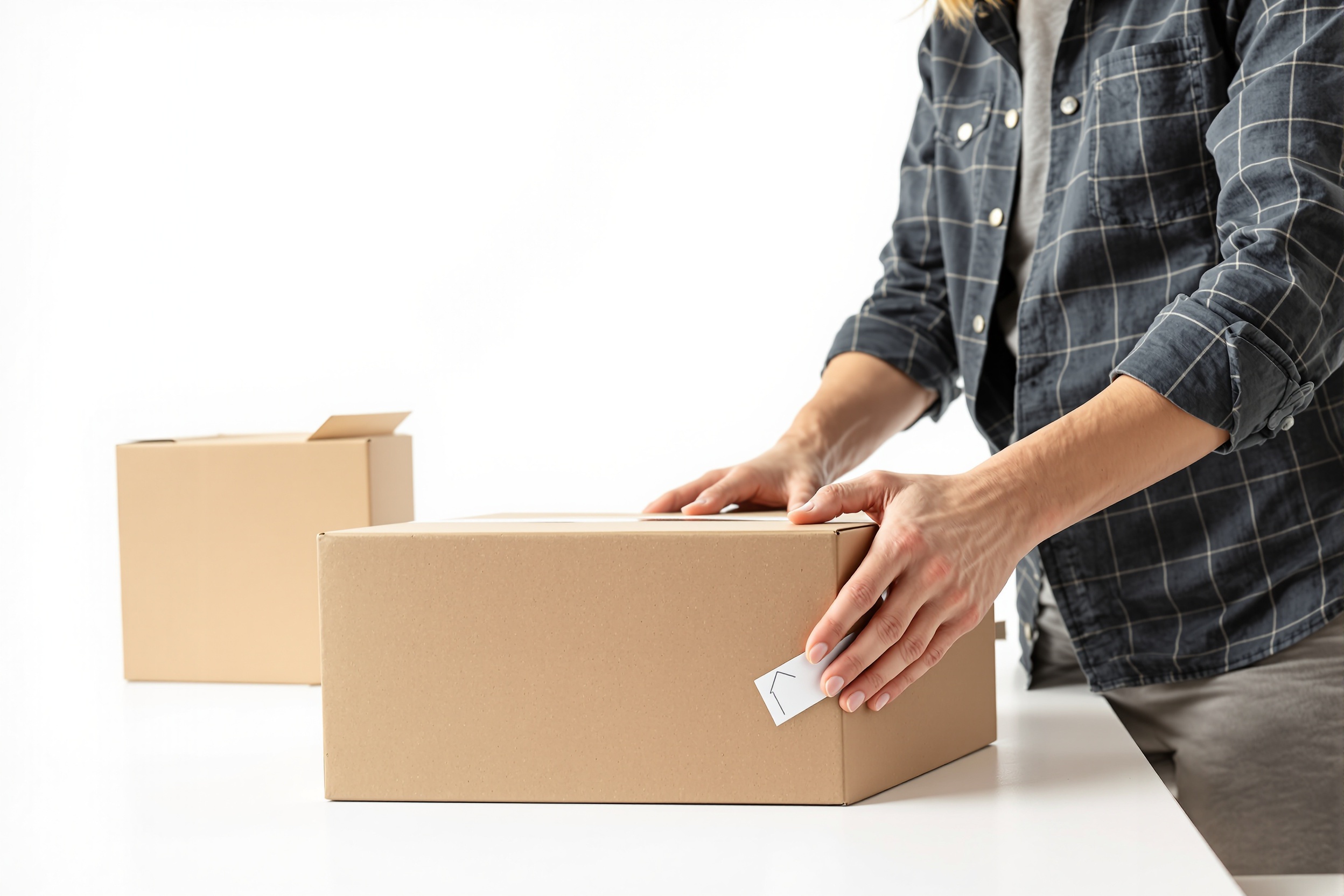
Select a sturdy corrugated box that is only slightly larger than your item. The box should be in good condition — no tears, dents, or water damage. Avoid reusing old boxes that have been weakened.
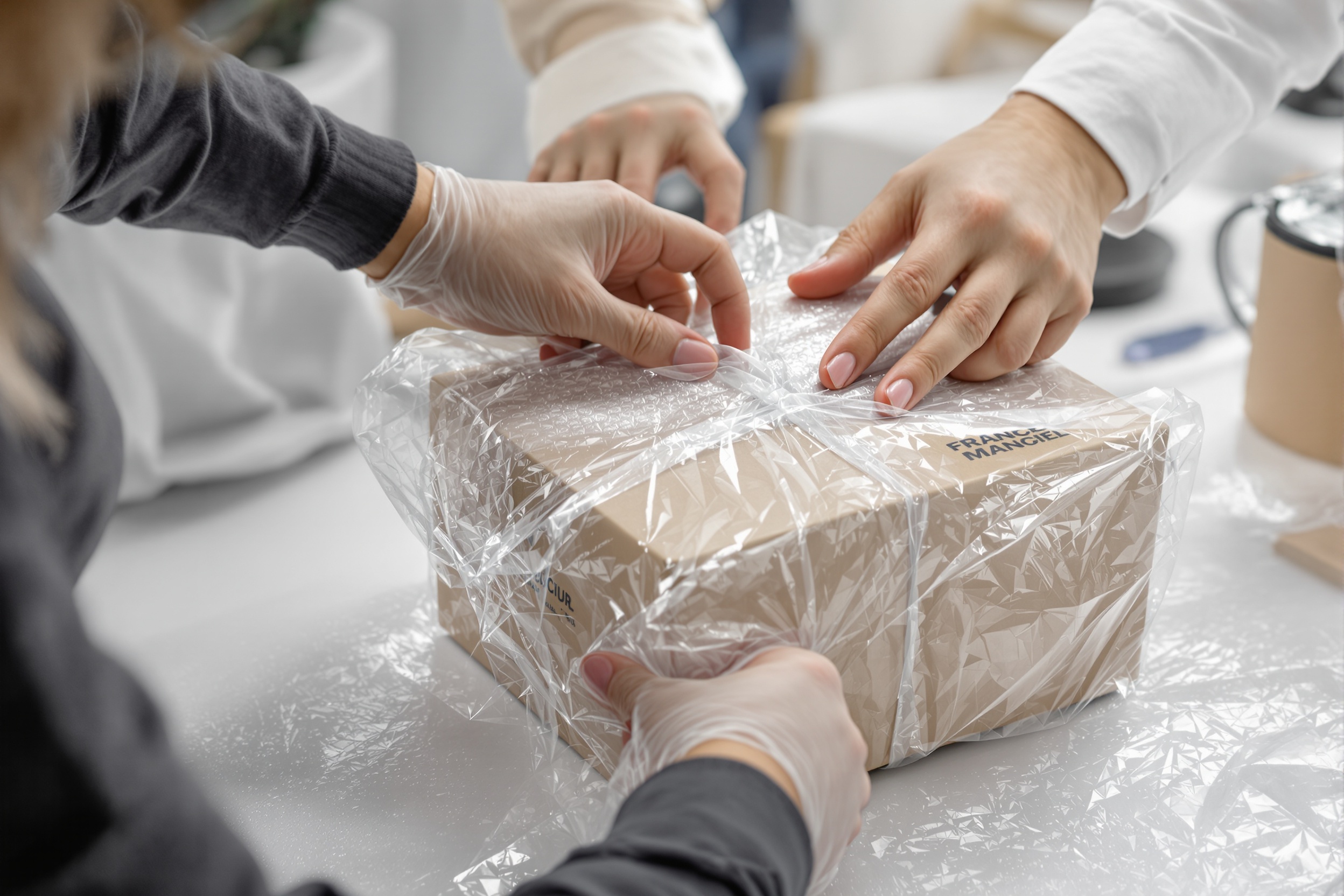
Wrap fragile items in at least 2 full layers of bubble wrap, securing with tape. For clothing and soft goods, use tissue or kraft paper. Electronics need anti-static wrap.
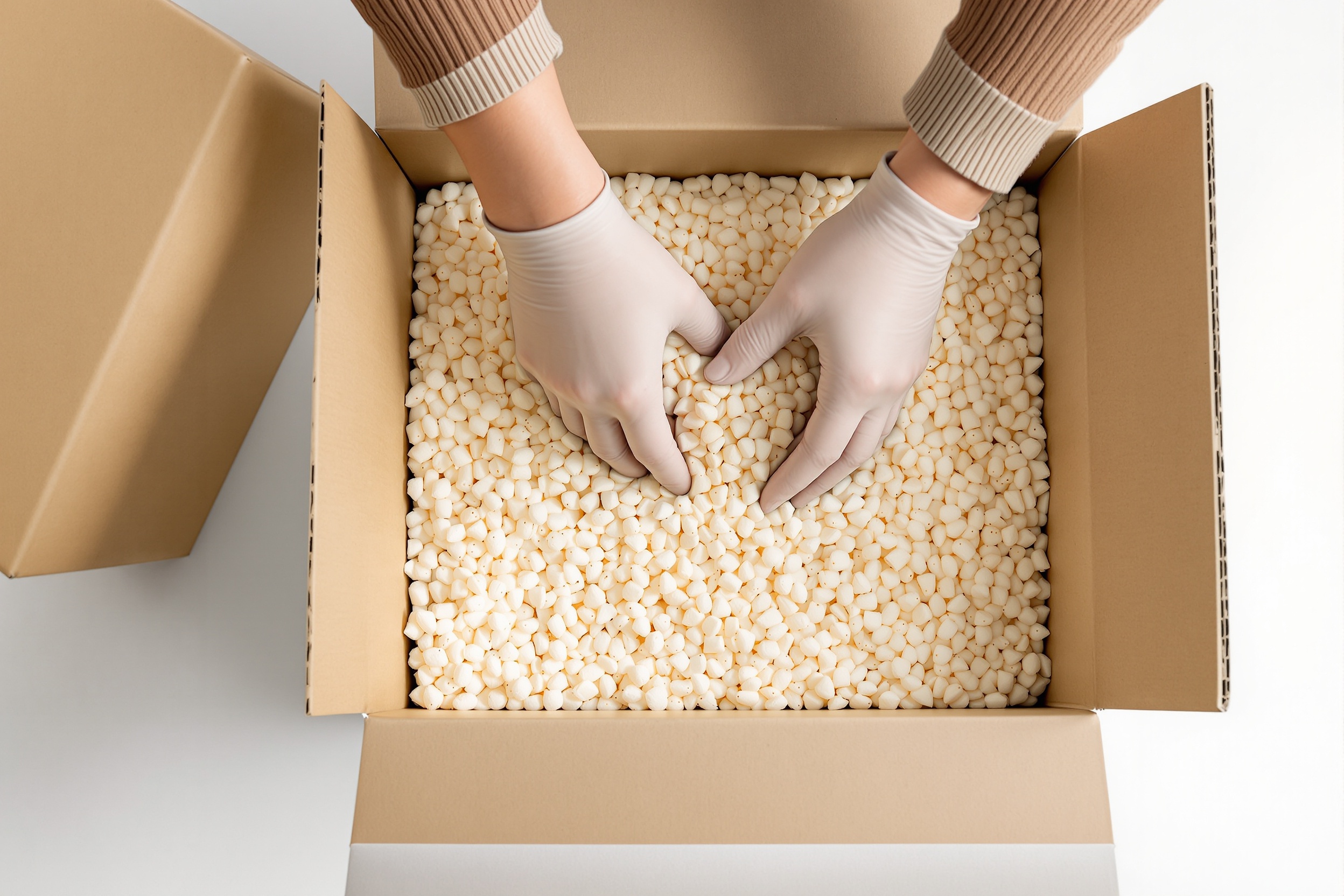
Place your wrapped item in the centre of the box. Fill all empty space with packing peanuts, crumpled paper, or foam. The item must not move when you shake the box.
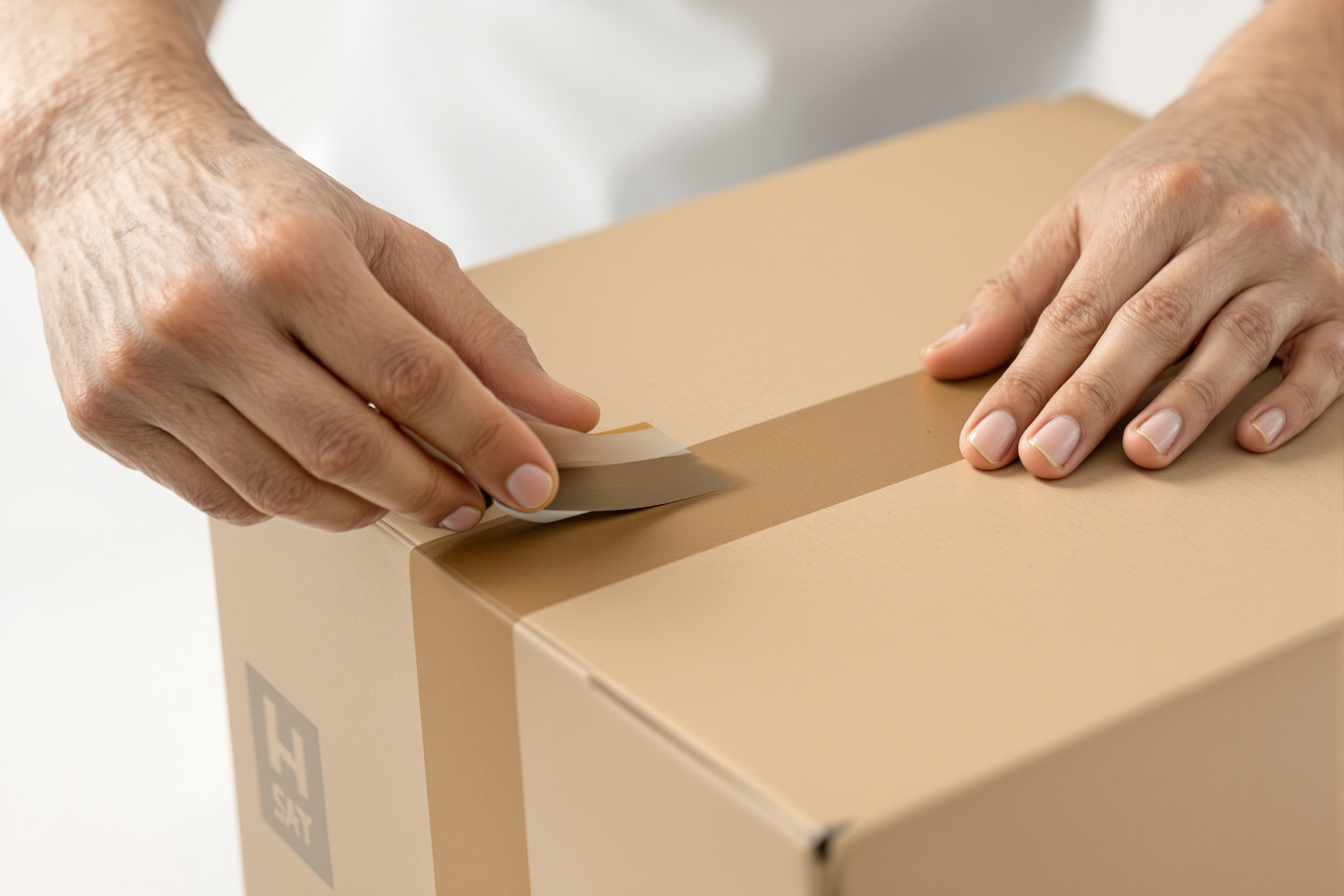
Close all flaps and apply the H-tape method: one strip along the centre seam and one strip along each edge seam. Use 50mm brown packing tape — never masking tape or sellotape.
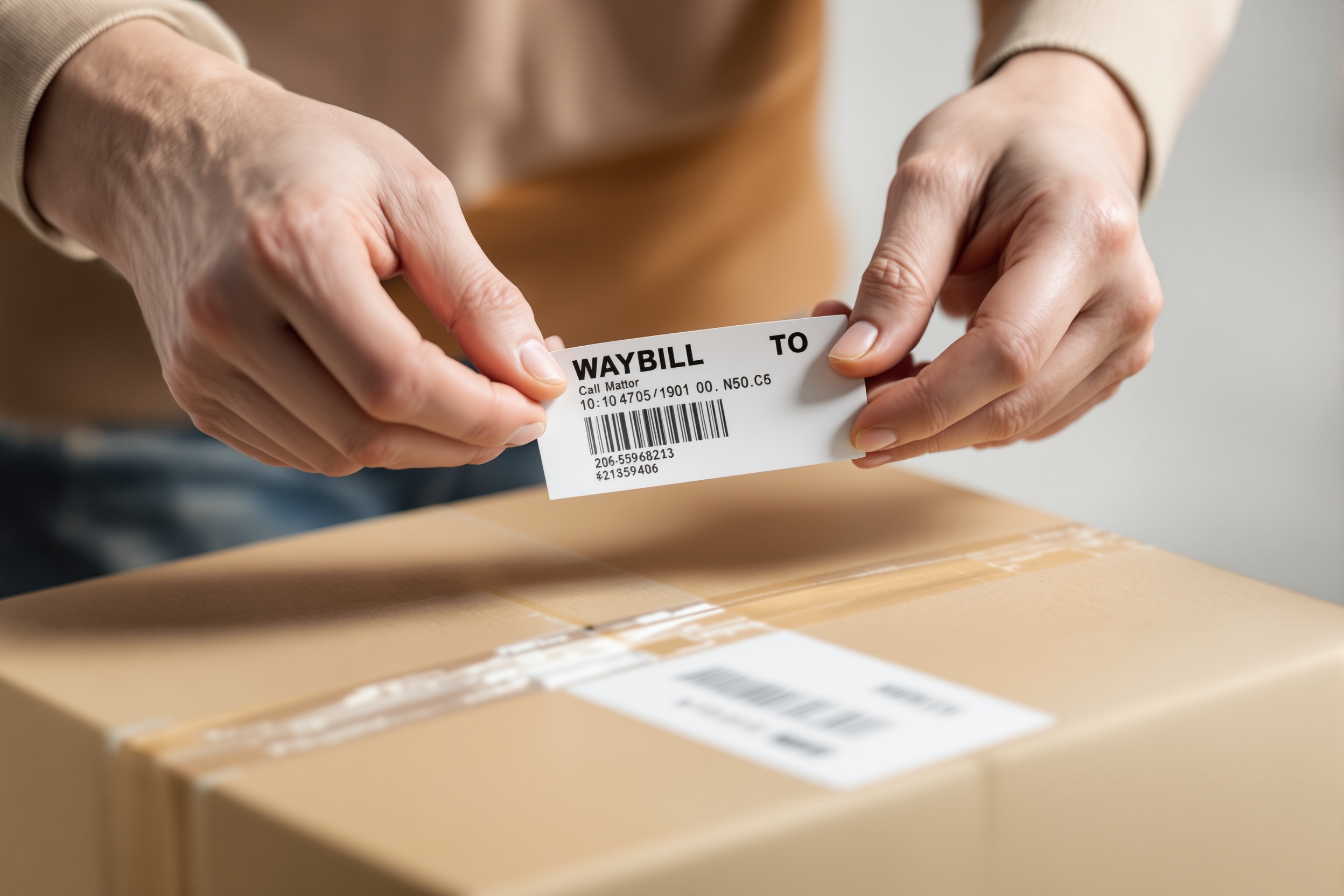
Attach your waybill or shipping label flat on the largest face of the box. Use a waterproof label pouch. Remove or cover any old labels. Place a backup label inside the box.
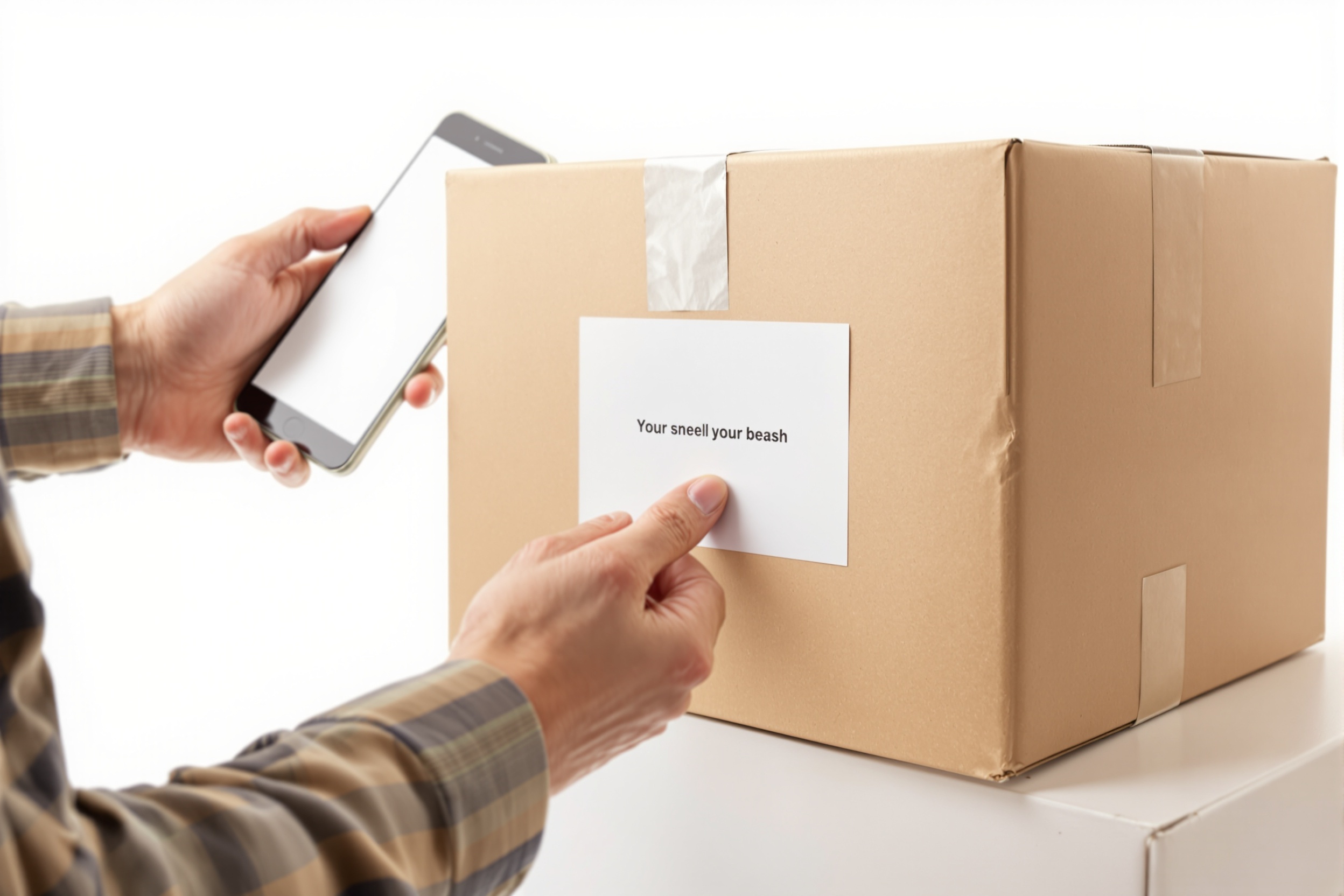
Take clear photos of the packed parcel, the label, and the contents before sealing. This is critical evidence if you need to make an insurance claim for damage or loss.
Different items need different approaches. Select your item type for specific instructions.
Lithium batteries are restricted on airfreight. Check with us before booking if your item contains a battery.
Even perfectly packed parcels can be damaged in transit. Proper packaging is required for any insurance claim — but it's not enough on its own. Add Declared Value Cover from just 1.5% of your parcel's value for complete peace of mind.
Most parcel damage is preventable. These are the most common mistakes we see — and how to avoid them.
Excess space means your item shifts and bounces during transit. Always fill void space completely.
Choose a box 5–7cm larger than your item on all sides, then fill the rest with padding.
Old, crushed, or wet boxes lose structural integrity. They collapse under weight in transit.
Use a new or undamaged box. If reusing, check all corners and seams are solid.
These tapes fail under pressure and temperature changes. Parcels arrive open or damaged.
Use 50mm brown packing tape only. Apply the H-tape method on all seams.
Labels on seams get torn or obscured when the box is handled. Barcodes become unscannable.
Always place the label flat on the largest face of the box, away from all edges.
Without photos of the contents and packaging, insurance claims are very difficult to process.
Take 3 photos: contents before sealing, sealed box, and label. Keep them until delivery is confirmed.
Old barcodes confuse scanners and can route your parcel to the wrong destination.
Remove or completely cover all old labels, barcodes, and addresses before attaching the new label.
Tick off every item before handing your parcel to the driver. Print this out or use it on your phone.
South Africa's courier network handles millions of parcels every month across routes from Johannesburg to Cape Town, Durban to Polokwane, and everywhere in between. Parcels pass through multiple handling points — collection, sorting hubs, linehaul vehicles, and final-mile delivery. Each touchpoint is an opportunity for damage if your parcel isn't packed correctly.
The most common cause of parcel damage isn't rough handling — it's inadequate packaging. A box that's too large, sealed with the wrong tape, or missing internal padding will fail under the weight of other parcels stacked on top of it. Couriers are not liable for damage caused by insufficient packaging, and insurance claims will be rejected if the packaging doesn't meet minimum standards.
Choosing the right box size is the single most important packaging decision. The box should be large enough to fit your item with 5–7cm of padding on all sides, but not so large that the item can shift around. Here's a quick guide:
| Box Size | Dimensions (approx) | Best For |
|---|---|---|
| Small | 20 × 15 × 10 cm | Books, small electronics, jewellery |
| Medium | 30 × 25 × 20 cm | Shoes, clothing, small appliances |
| Large | 45 × 35 × 30 cm | Multiple items, larger electronics |
| Extra Large | 60 × 45 × 40 cm | Bulk orders, large appliances |
All major South African couriers — including UrgentGo — require that parcels meet minimum packaging standards before they'll be accepted for collection. These requirements exist to protect your goods and to ensure safe handling throughout the network. Key requirements include:
Proper packaging is a prerequisite for any successful insurance claim. If your parcel is damaged and the damage is found to be caused by inadequate packaging, your claim will be rejected — regardless of whether you have Declared Value Cover. This is standard across all South African couriers.
The best approach is to combine proper packaging with appropriate insurance cover. UrgentGo includes standard cover of R500 on every booking at no extra cost. For higher-value items, add Declared Value Cover from just 1.5% of the declared value, covering up to R50,000.
Always photograph your parcel contents before sealing, the sealed box, and the label. These photos are your primary evidence in any claim. Keep them until delivery is confirmed.
If you're sending multiple parcels per week, packaging efficiency becomes as important as packaging quality. Here are some tips for eCommerce businesses:
How box dimensions affect your courier cost — and why choosing the right box size can cut your shipping bill in half.
Inadequate packaging is the #1 reason insurance claims get denied. What your courier's packaging requirements actually say.
Common questions about packing and sending parcels in South Africa.
Packed and ready to go? Book a collection in minutes.
Same-day, overnight, or weekend pickup across SA
Declared Value Cover from 1.5% — up to R50,000
Instant pricing for any route in South Africa
Real-time tracking for all UrgentGo shipments
Legal Disclaimer: By using UrgentGo Courier (Pty) Ltd services, you acknowledge and agree to our Terms of Service and Privacy Policy. UrgentGo Courier (Pty) Ltd (Reg. No. 2024/844754/07) shall not be held liable for delays, losses, or damages arising from circumstances beyond our reasonable control, including but not limited to force majeure events, incorrect address information, or improper packaging. All refund and claims requests are subject to our standard claims procedure and must be submitted in writing within 30 days of the shipment date. Wallet credits and prepaid business account balances are non-refundable upon cancellation. Services are governed by South African law.