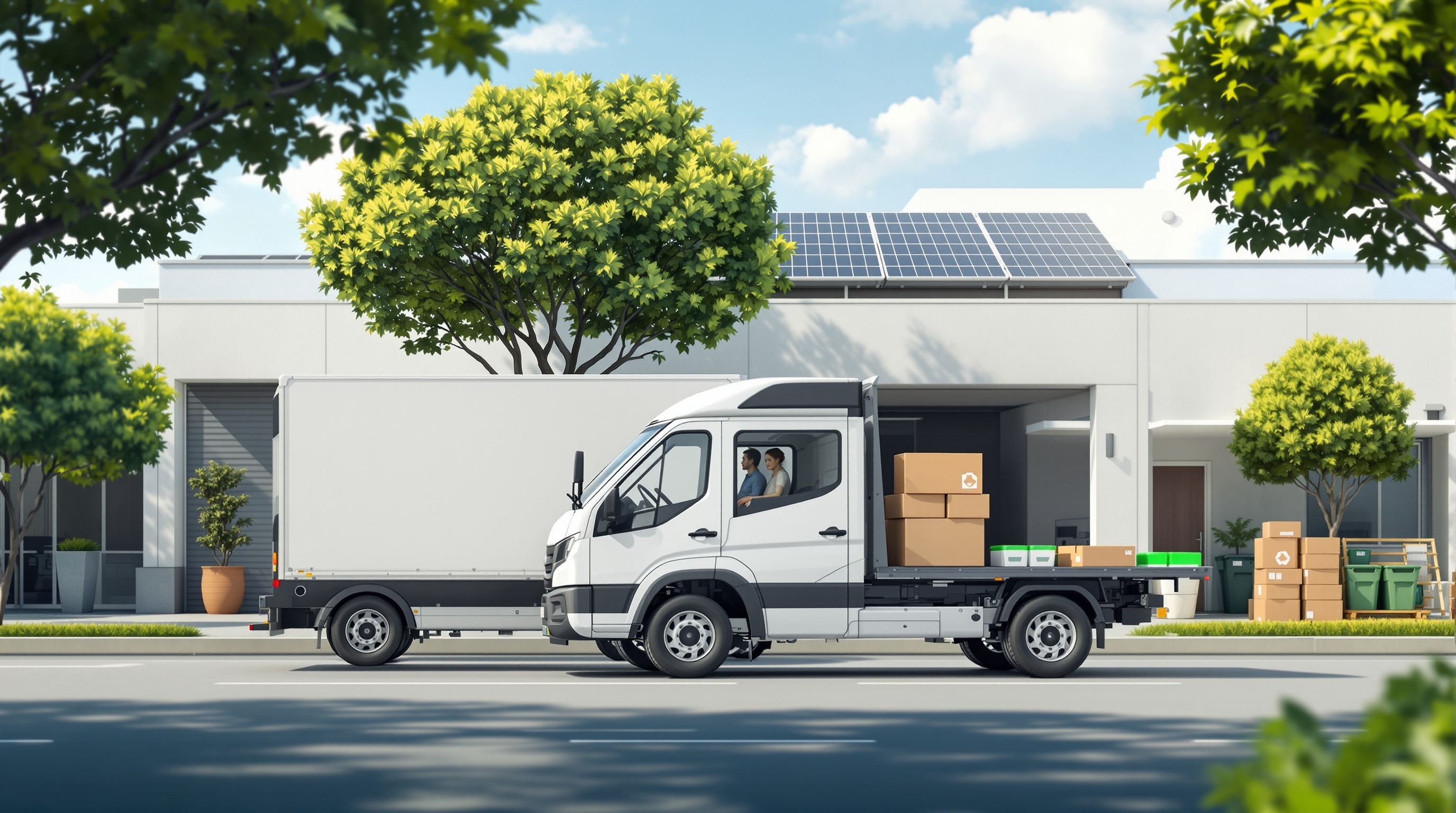
Sustainable Logistics: How Green Delivery Solutions Benefit Your Business and Environment

As environmental consciousness grows and climate change concerns intensify, the logistics industry faces unprecedented pressure to adopt sustainable practices. But sustainable logistics isn't just about environmental responsibility—it's becoming a powerful competitive advantage that drives cost savings, improves brand reputation, and attracts eco-conscious consumers.
The Environmental Impact of Traditional Logistics
The transportation and logistics sector accounts for approximately 14% of global greenhouse gas emissions. In South Africa, freight transport alone contributes over 12% of the country's total CO2 emissions. Traditional delivery methods—multiple single-package trips, inefficient routing, and diesel-powered vehicles—create unnecessary environmental burden.
Environmental Costs of Traditional Logistics:
- Carbon emissions from fuel consumption
- Air pollution in urban delivery areas
- Packaging waste and non-recyclable materials
- Traffic congestion increasing overall emissions
- Resource depletion from inefficient operations
- Noise pollution affecting urban communities
Green Delivery Solutions Making a Difference
Electric and Hybrid Vehicle Fleets
Electric delivery vehicles are revolutionizing urban logistics. While initial investment costs are higher, operating expenses are significantly lower. Electric vehicles reduce emissions by up to 85% compared to diesel equivalents and offer substantial fuel savings. Major cities are creating electric vehicle incentives and low-emission zones that make green fleets increasingly advantageous.
Bicycle and E-Bike Delivery Networks
For last-mile deliveries in dense urban areas, bicycles and e-bikes offer zero-emission solutions that often outperform traditional vehicles in terms of speed and efficiency. These methods are particularly effective for small packages, food delivery, and same-day services in city centers.
Route Optimization Technology
Advanced algorithms and AI-powered route planning can reduce delivery distances by 20-30%, directly translating to lower fuel consumption and emissions. Smart routing considers traffic patterns, delivery windows, and vehicle capacity to minimize environmental impact while maximizing efficiency.
Consolidation and Hub Systems
Strategic placement of distribution hubs and package consolidation centers reduces the number of individual delivery trips. By grouping multiple deliveries in the same area, logistics providers can achieve significant efficiency gains and emission reductions.
Sustainable Packaging Innovations
Biodegradable and Recyclable Materials
Sustainable packaging extends beyond just using less material. Biodegradable bubble wrap, recyclable cardboard alternatives, and plant-based packaging films are replacing traditional materials. These innovations often cost marginally more but significantly improve a company's environmental footprint.
Right-Sized Packaging Systems
Automated packaging systems that create custom-sized boxes for each shipment eliminate wasted space and reduce material usage. This approach decreases shipping costs, reduces storage requirements, and minimizes packaging waste—a triple benefit for sustainability.
Business Benefits of Green Logistics
Cost Savings and Operational Efficiency
While sustainable logistics may require upfront investment, the long-term cost benefits are substantial. Reduced fuel consumption, lower maintenance costs for electric vehicles, and improved operational efficiency typically result in 15-25% reduction in logistics expenses within two years.
Enhanced Brand Reputation
Consumers increasingly choose brands that demonstrate environmental responsibility. Studies show that 73% of millennials are willing to pay more for sustainable products and services. Green logistics initiatives become powerful marketing tools that differentiate your brand in competitive markets.
Regulatory Compliance and Future-Proofing
Environmental regulations are becoming stricter worldwide. Early adoption of sustainable practices positions businesses ahead of regulatory requirements and avoids potential penalties or restrictions that may affect traditional logistics operations.
Implementation Strategy for Businesses:
- Assess Current Impact: Measure your logistics carbon footprint
- Set Measurable Goals: Define specific sustainability targets
- Partner with Green Providers: Choose logistics partners with sustainable practices
- Optimize Packaging: Implement eco-friendly packaging solutions
- Leverage Technology: Use route optimization and tracking systems
- Monitor and Report: Track progress and communicate results
Overcoming Implementation Challenges
Initial Investment Concerns
The perceived high cost of sustainable logistics often deters businesses from making the transition. However, many green initiatives require minimal upfront investment. Start with low-cost changes like route optimization and sustainable packaging before progressing to larger investments like electric vehicles.
Infrastructure Limitations
Limited charging infrastructure for electric vehicles and availability of sustainable materials can pose challenges. Partner with logistics providers who have already made these investments rather than trying to build capabilities in-house initially.
The Future of Sustainable Logistics
Sustainable logistics is rapidly evolving from a nice-to-have feature to a business necessity. Emerging technologies like hydrogen fuel cells, autonomous electric vehicles, and drone delivery systems promise even greater efficiency and environmental benefits. Companies that embrace these changes now will be best positioned for future success.
The transition to sustainable logistics isn't just about environmental responsibility—it's about building a more efficient, cost-effective, and future-ready business. By implementing green delivery solutions, companies can reduce costs, improve brand reputation, and contribute to a more sustainable future while maintaining the high service standards their customers expect.
James Wilson
Supervisor, UrgentGo Courier
James is a sustainability consultant with 10 years of experience helping logistics companies transition to environmentally friendly operations. He holds certifications in green logistics and has implemented sustainable practices across multiple industries in South Africa.