UrgentGo Courier
Logistics Tips

Airfreight Solutions for Time-Critical Deliveries: A Complete Guide

By Robert Brown, SupervisorFebruary 28, 20248 min read
Airfreight operations and time-critical deliveries

When ground transportation simply can't meet your delivery timeline, airfreight becomes the critical solution that keeps business operations running smoothly. Understanding when, how, and why to leverage air cargo services can make the difference between meeting crucial deadlines and facing costly delays.

Understanding Airfreight Fundamentals

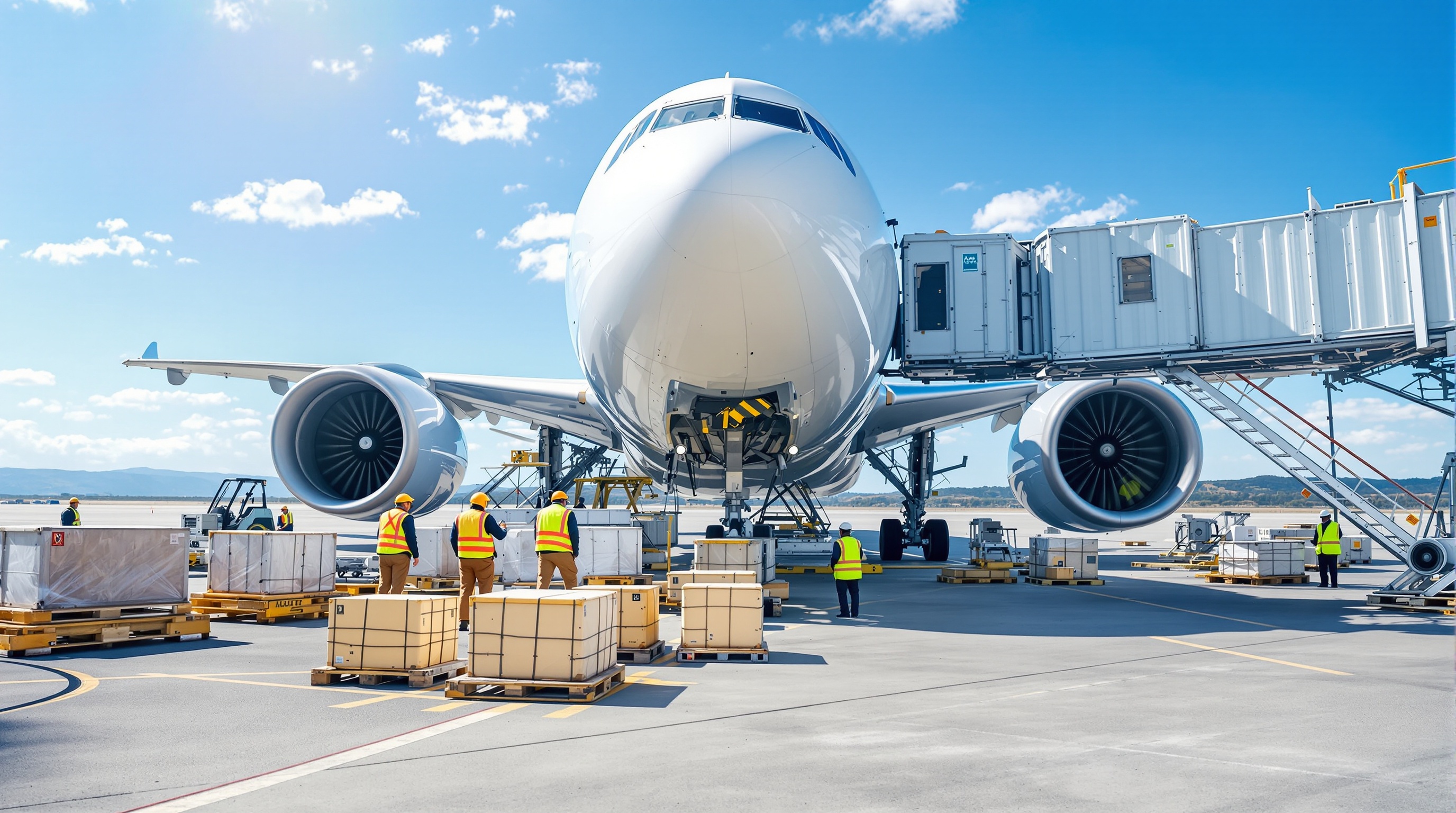
Airfreight refers to the transportation of goods via aircraft, offering the fastest method for long-distance cargo movement. Unlike passenger baggage, commercial airfreight follows strict regulations, specialized handling procedures, and requires comprehensive documentation. This service bridges the gap between standard shipping timelines and critical business needs.

When Airfreight is Your Best Option

Time-Critical Situations

Manufacturing shutdowns due to missing components, medical emergencies requiring specialized equipment, or last-minute business presentations—these scenarios demand the speed that only airfreight can provide. When the cost of delays exceeds the premium for air transport, airfreight becomes cost-effective.

High-Value, Low-Weight Shipments

Electronics, pharmaceuticals, jewelry, and precision instruments often justify airfreight costs due to their high value-to-weight ratio. The speed and security of air transport provide additional protection for valuable cargo while minimizing time-related risks.

Temperature-Sensitive Products

Biological samples, fresh produce, and pharmaceutical products requiring temperature control benefit from airfreight's shorter transit times. Reduced exposure time minimizes the risk of temperature excursions and product degradation.

Ideal Airfreight Scenarios:

  • Emergency replacement parts for critical equipment
  • Time-sensitive documents and contracts
  • Fresh samples for laboratory analysis
  • High-value electronics and precision components
  • Medical supplies and pharmaceutical products
  • Fashion items for seasonal launches
  • Perishable goods with short shelf life

Types of Airfreight Services

Express Air Services

Express services prioritize speed above all else, often providing next-day or same-day delivery for domestic shipments. These services include priority handling, expedited customs clearance, and dedicated transport from airport to destination.

Standard Air Cargo

Standard airfreight offers a balance between speed and cost, typically delivering within 2-5 days depending on the destination. This option works well for time-sensitive but not emergency shipments, providing significant speed advantages over ground transport at moderate cost premiums.

Consolidated Services

Consolidated airfreight combines multiple smaller shipments into larger loads, reducing costs while maintaining faster delivery than ground options. This service suits businesses with regular but not urgent air cargo needs.

The Airfreight Process Explained

Documentation and Compliance

Airfreight requires comprehensive documentation including air waybills, commercial invoices, packing lists, and certificates of origin. Dangerous goods require additional declarations and specialized handling procedures. Proper documentation prevents delays and ensures compliance with aviation regulations.

Packaging and Labeling Requirements

Air cargo packaging must withstand changes in pressure and temperature while meeting strict weight and dimension requirements. Proper labeling includes handling instructions, orientation indicators, and required regulatory markings. Professional packaging services ensure compliance and protect cargo during transport.

Customs and Security Procedures

All airfreight undergoes security screening and customs inspection. Electronic documentation systems expedite clearance, but proper declaration and valuation remain critical. Understanding customs procedures in both origin and destination countries prevents delays and additional costs.

Cost Factors in Airfreight:

  • Weight vs Volume: Charged on whichever is greater (chargeable weight)
  • Service Level: Express services cost significantly more than standard
  • Distance: International shipments include additional fees and handling
  • Special Handling: Temperature control, hazardous materials, oversized items
  • Fuel Surcharges: Variable costs based on aviation fuel prices
  • Peak Season: Higher rates during busy periods and holidays

Optimizing Your Airfreight Strategy

Plan for Predictable Needs

Regular airfreight requirements benefit from scheduled services and volume discounts. Analyze your shipping patterns to identify opportunities for consolidation and advance booking, which can reduce costs while maintaining service quality.

Build Emergency Protocols

Establish relationships with reliable airfreight providers before emergencies arise. Pre-approved vendor agreements, standby credit arrangements, and emergency contact procedures ensure rapid response when time-critical situations develop.

Track and Monitor Performance

Modern airfreight services provide real-time tracking and proactive status updates. Monitor delivery performance, cost effectiveness, and service quality to optimize future shipping decisions and vendor relationships.

Common Airfreight Challenges and Solutions

Weather and Flight Delays

Weather conditions and air traffic can cause delays beyond carrier control. Build buffer time into critical shipments and maintain communication with your airfreight provider for real-time updates and alternative routing options.

Customs Delays

Incomplete or incorrect documentation causes the majority of customs delays. Work with experienced freight forwarders who understand international requirements and can prepare accurate documentation to minimize clearance delays.

Cost Management

Airfreight costs can escalate quickly without proper planning. Understand pricing structures, negotiate volume discounts, and consider alternative service levels that still meet your timeline requirements while optimizing costs.

Technology in Modern Airfreight

Digital platforms now streamline airfreight booking, documentation, and tracking processes. Electronic data interchange (EDI) systems facilitate customs clearance, while IoT sensors monitor cargo conditions throughout the journey. These technological advances improve efficiency, reduce errors, and provide greater visibility into the airfreight process.

Airfreight solutions provide critical capabilities for time-sensitive business needs, but success requires understanding when to use these services and how to optimize their effectiveness. By mastering airfreight fundamentals, building strong provider relationships, and leveraging modern technology, businesses can turn urgent delivery challenges into competitive advantages that support growth and customer satisfaction.

RB

Robert Brown

Supervisor, UrgentGo Courier

Robert has 15 years of experience in international airfreight and logistics management. He specializes in time-critical shipments and has managed emergency delivery operations for major corporations across multiple industries, including healthcare, manufacturing, and technology.